
Embroidery Topping: When to Use Water-Soluble Film
Posted by The Embroidery Source on Nov 19th 2026
Topping is the thin film that goes on top of the fabric, not underneath it. On the right fabrics, it’s the difference between crisp lettering and stitches lost in the pile.
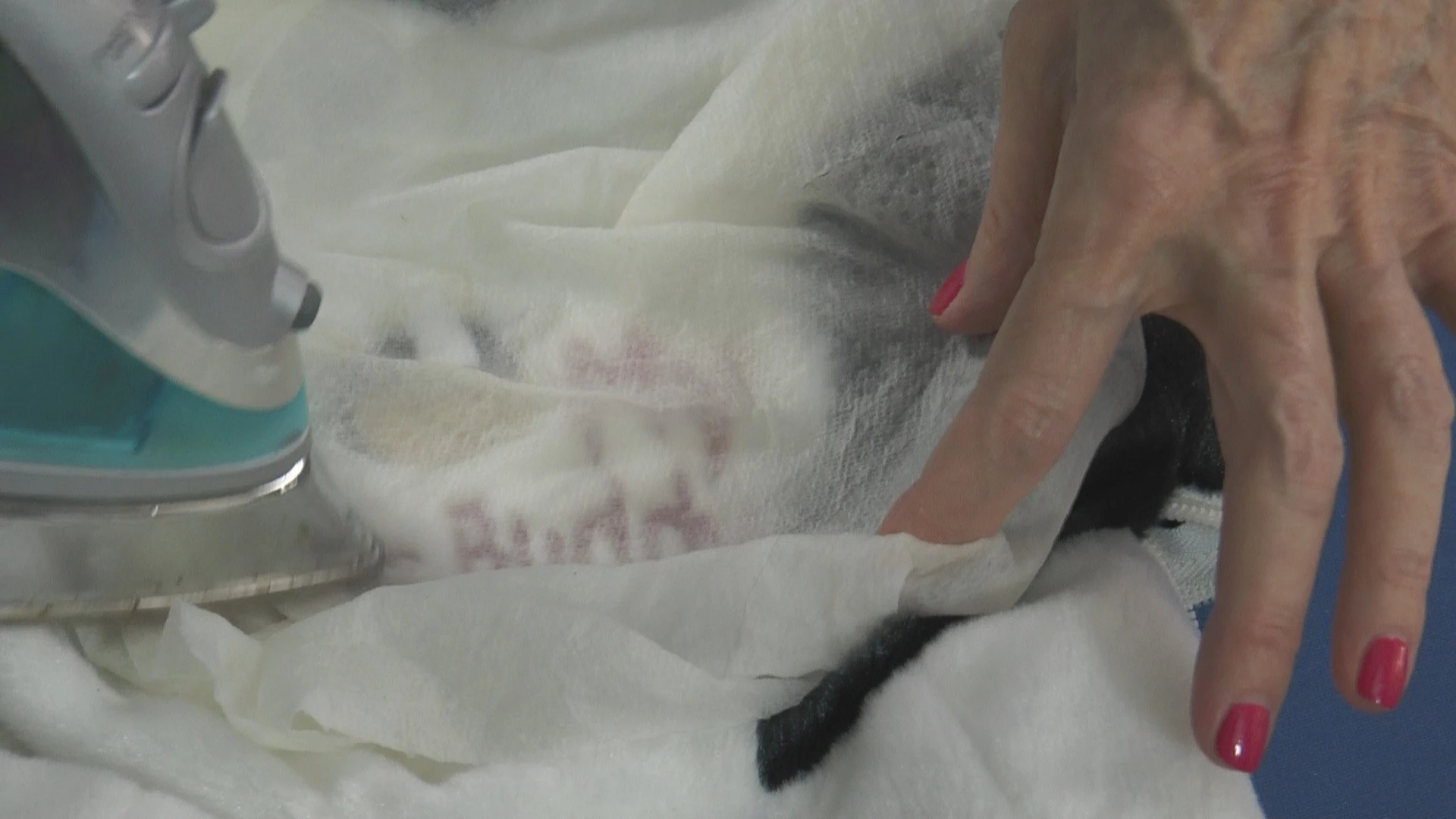
Hoop it in with the fabric, then tear away the excess and remove the rest with a damp paper towel and an iron. On water-sensitive fabrics like velvet, silk and wool, use Sew ’N Heat, a heat-soluble topping, instead.
Which fabrics need topping?
On a phone, swipe the table sideways to see every column.
| Fabric | Topping | Why |
|---|---|---|
| Terry towels and robes | Water Soluble Topping | Keeps stitches out of the loops |
| Pile fleece | Water Soluble Topping | Keeps stitches on top of the nap |
| Pique polos | Water Soluble Topping | Keeps small lettering and details from falling into the open texture |
| Velour and corduroy | Water Soluble Topping | Keeps the pile from poking through the stitches |
| Heavily ribbed fleece and heavy knits | Water Soluble Topping | Gives cleaner edges |
| Velvet | Water Soluble Topping, or Sew 'N Heat on water-sensitive velvet | Keeps the pile down |
| Silk and wool | Sew 'N Heat | Removes with heat, so the fabric never gets wet |
| Smooth wovens and plain jersey | Usually none | No pile to sink into |
How to apply topping
How to remove water-soluble topping
Sew 'N Heat: a heat-soluble topping
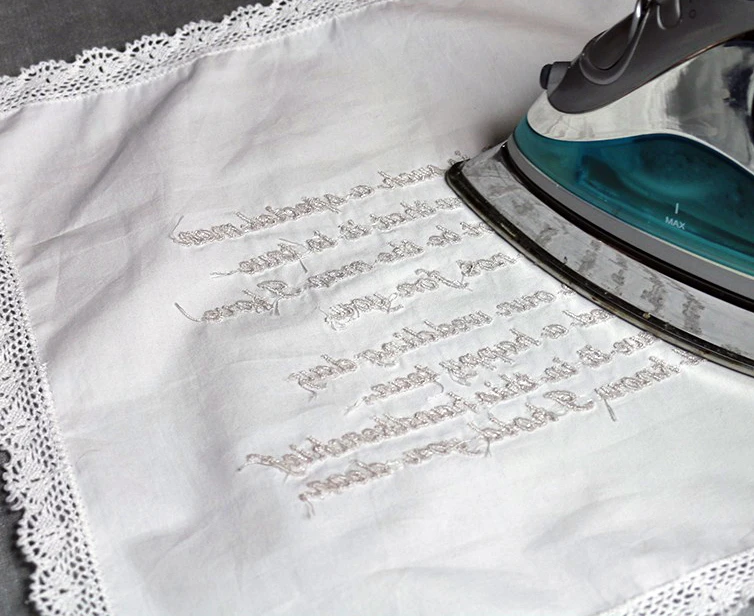
Sew 'N Heat is a clear thermal film that works as a topping or a backing. Use it when water isn’t an option, or when you want permanent protection against loops or pile showing through the stitches.
- Hoop it in along with the fabric for a smooth surface.
- Remove it with heat: tear away the large pieces, then use a household iron on a low to medium setting to remove the rest.
- For small openings in lettering, where the iron can’t reach, use a small heat tool such as an appliqué iron.
- It won’t come out in the dryer, so always remove it with an iron.
- It also makes a great backing for lightweight sheer fabrics, because it doesn’t show through.
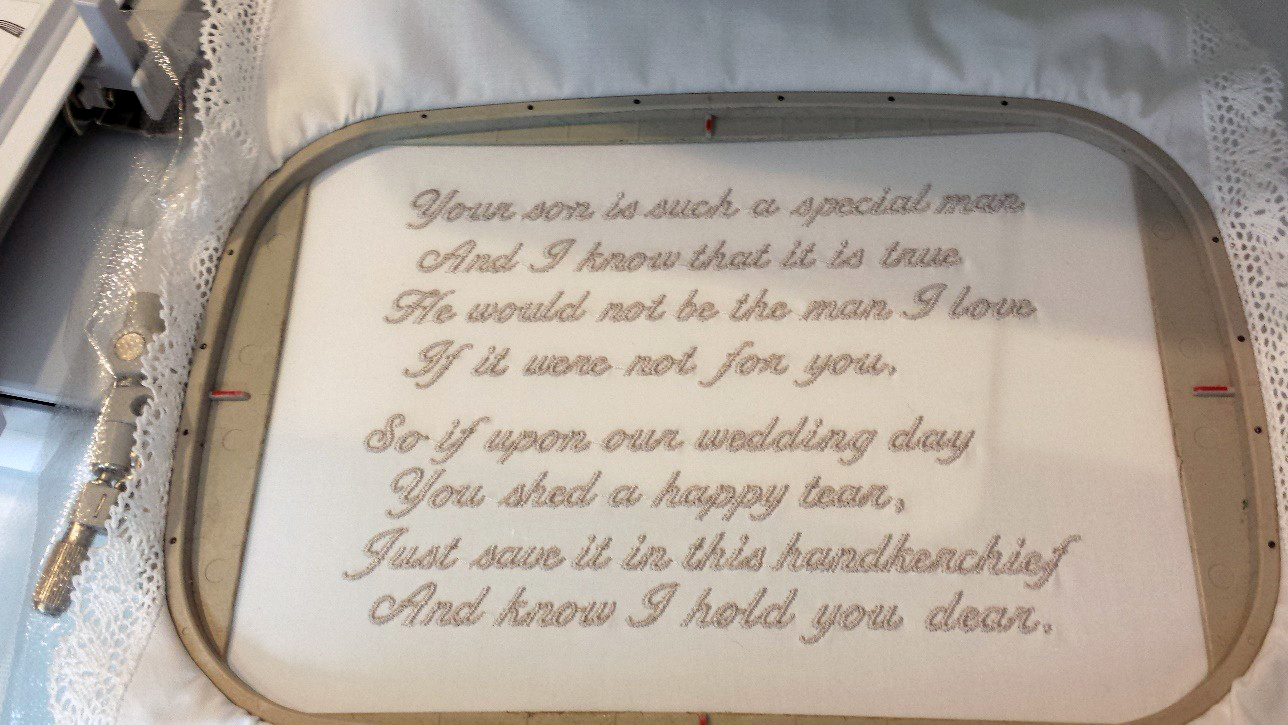
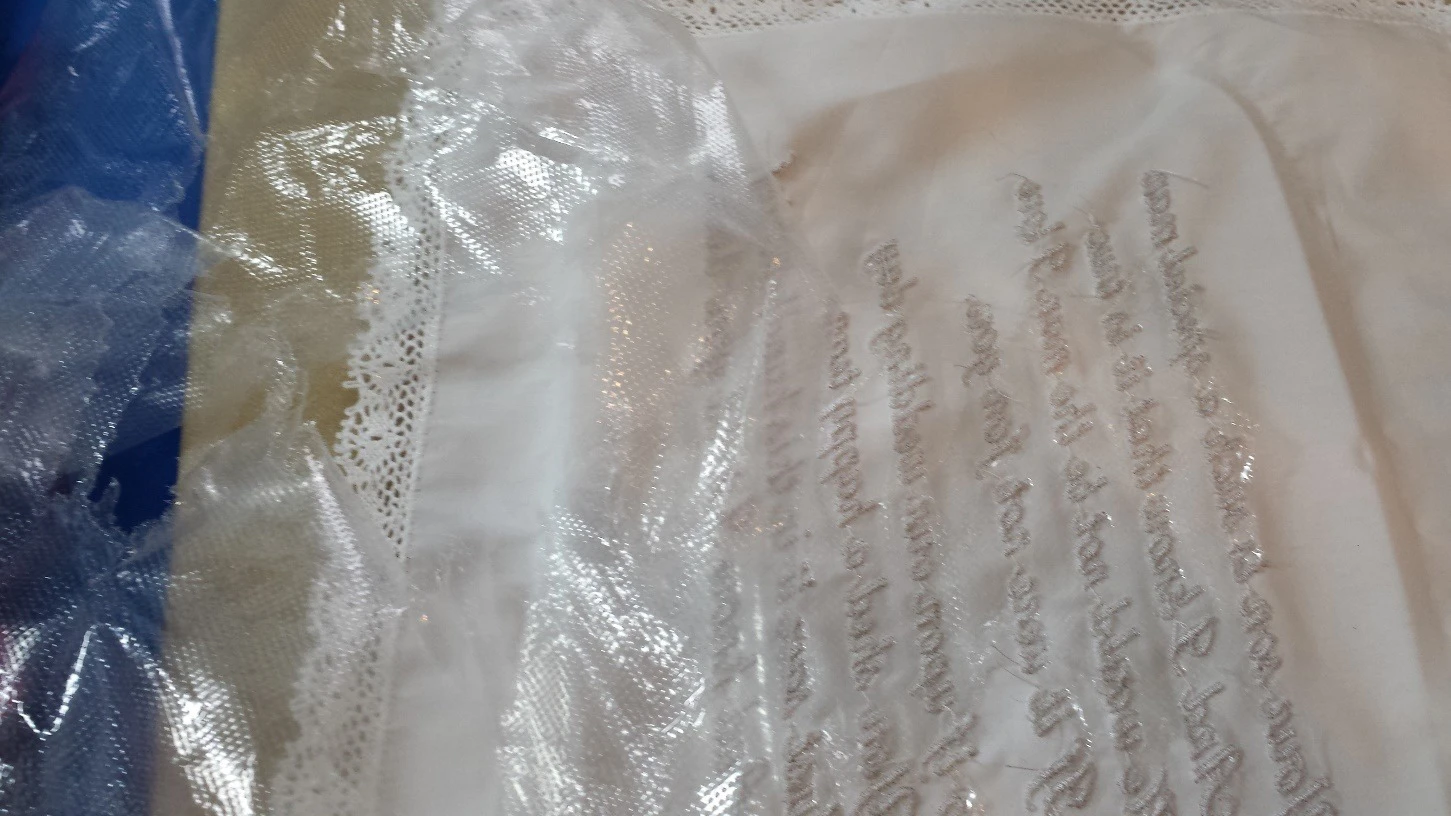
Topping vs backing
Water Soluble Topping is a thin film that goes on top. Water Soluble Backing is thicker and more rigid, and goes underneath for freestanding lace, patches and other designs that must support themselves once the stabilizer dissolves.
Common mistakes
- Skipping topping on pique. Small lettering sinks into the texture.
- Laying topping on loose. It shifts or curls. Hoop it in, spray it, or baste it.
- Getting water-sensitive fabric wet. Use Sew ’N Heat on velvet, silk and wool.
- Leaving topping bits in small openings. Press with a damp paper towel, or use a small heat tool for Sew ’N Heat.
Frequently asked questions
Q.What is embroidery topping for?
It keeps stitches on top of pile and textured fabrics, so they don’t sink in and the pile doesn’t poke through.
Q.Do I use topping on every fabric?
No. Use it on pile and textured fabrics like terry, fleece, pique, velour, corduroy and velvet. Smooth fabrics don’t need it.
Q.How do I remove water-soluble topping?
Tear away the large pieces, then press a damp paper towel over the design with a moderately hot iron. The leftover bits lift off with the towel.
Q.Can I use water-soluble topping on velvet?
Yes, on most velvet. On water-sensitive velvet, use Sew ’N Heat, which removes with heat instead of water.
Q.What’s the difference between topping and backing?
Topping goes on top of the fabric to keep stitches up. Backing, or stabilizer, goes underneath to support the stitches.