
40 wt vs 60 wt Embroidery Thread: When to Use Each
Posted by The Embroidery Source on Nov 17th 2026
Small text that fills in, blurry fine lines, satin columns that look bulky: often the fix isn’t the design, it’s the thread weight.
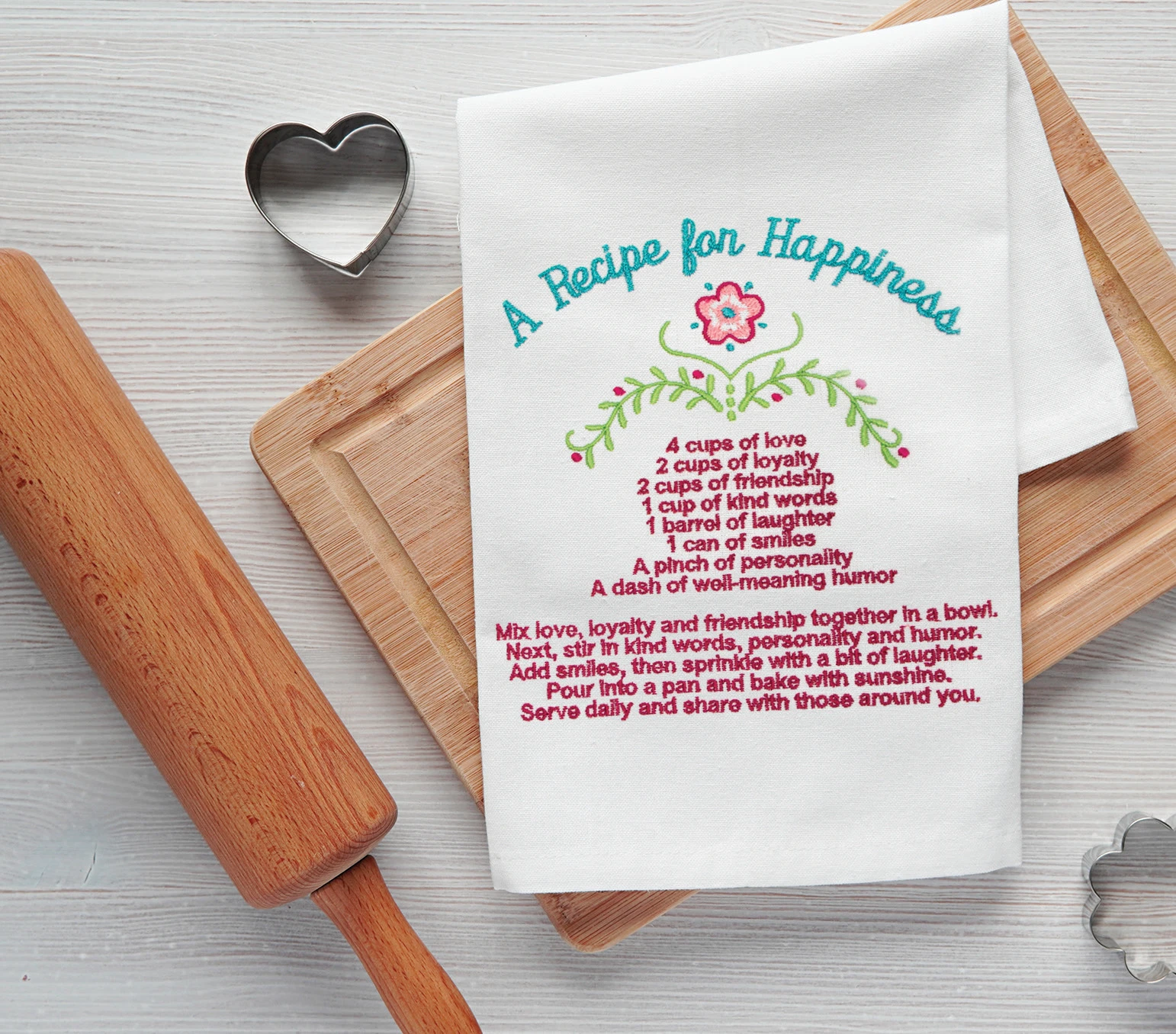
60 wt is finer, so small letters stay open and crisp instead of filling in.
40 wt vs 60 wt at a glance
On a phone, swipe the table sideways to see every column.
| 40 wt | 60 wt | |
|---|---|---|
| Thickness | Standard | Finer (higher number = finer thread) |
| Best for | Most logos, fills, satin columns, everyday production | Small lettering, fine detail, intricate outlines |
| Needle | 75/11 for most fabrics (65/9 to 90/14 by fabric) | 65/9 or 70/10 |
| Coverage | Full coverage at standard density | Lighter coverage; designs need more density to cover |
| TES lines | Isacord, KingStar Polyester, Robison-Anton Super Brite Poly, Exquisite Polyester, Madeira Polyneon | Exquisite Fine Line |
When to switch to 60 wt
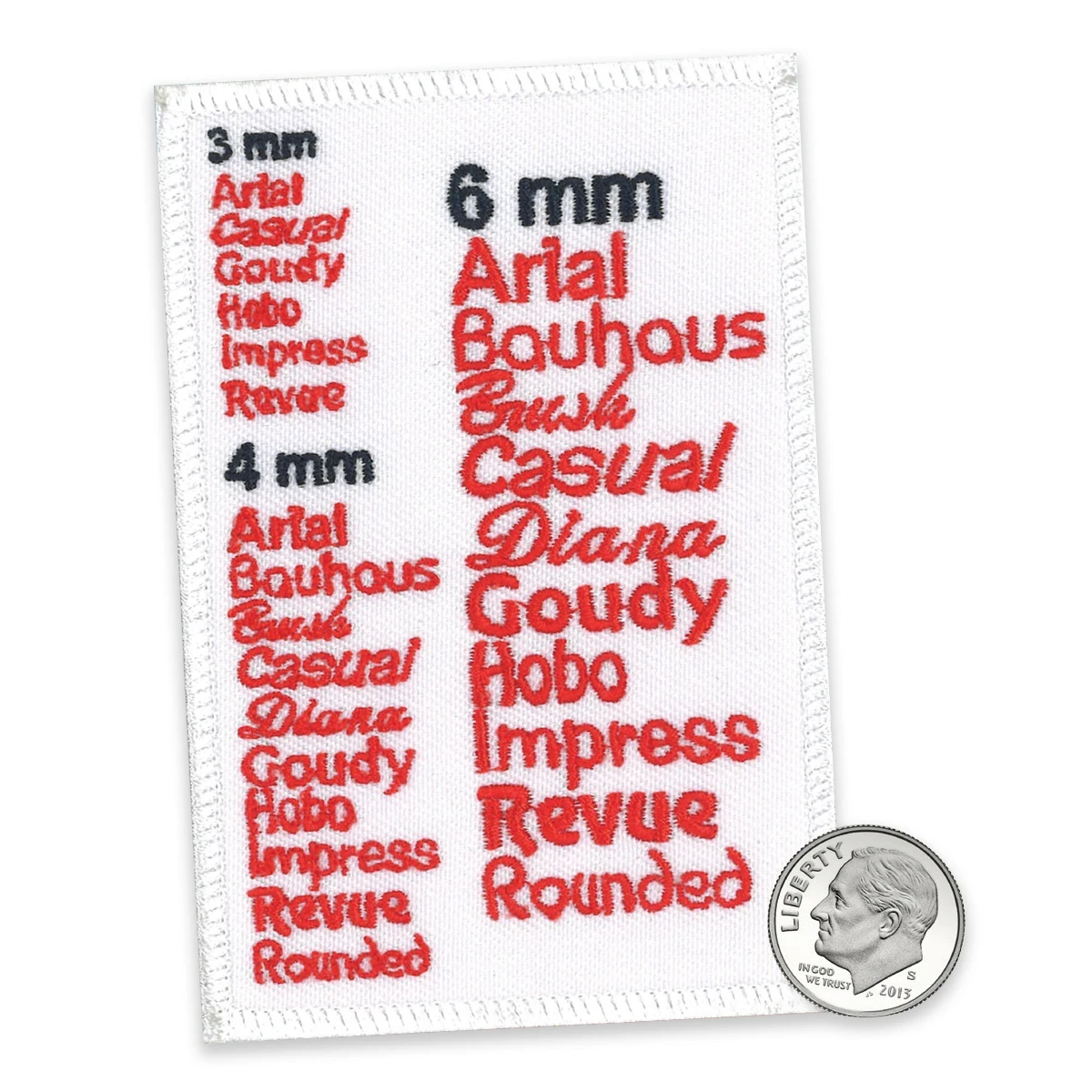
- Small lettering: names, small text under a logo, and lettering on caps where 40 wt fills in the openings of letters like a, e and o
- Fine detail: thin outlines and small elements that look heavy in 40 wt
- Designs digitized for 60 wt: some fine-detail designs are digitized with this thread weight in mind
Why the needle matters
The needle’s eye and groove should fit the thread. Running 60 wt through a 75/11 leaves the finer thread too much room, which can lead to skipped stitches and poor stitch formation. A 65/9 or 70/10 controls it better. Commercial DB x K5 needles have a larger eye than standard needles of the same size, so even a small needle threads easily.
Tips for running 60 wt
Frequently asked questions
Q.What is 60 wt thread used for?
Small lettering and fine detail, where 40 wt would fill in or look heavy.
Q.Do I need a different needle for 60 wt thread?
Yes. Use a 65/9 or 70/10 needle.
Q.Is 60 wt better for small lettering?
Yes. The finer thread keeps small letters open and readable.
Q.Can I use 60 wt thread for a whole design?
You can, but it gives lighter coverage, so the design usually needs more density. For most designs, 40 wt is faster and covers better.
Q.Can I use 60 wt in the bobbin?
Commercial bobbins are typically 70D/2 polyester, which is already fine. You don’t need to change your bobbin to run 60 wt on top.